A bath mat more dangerous? 3 maintenance tips to effectively extend its lifespan.

Bath mats are indispensable anti-slip tools in home bathrooms, providing cushioning and safety for bare feet. However, with increased use, many families find that the edges of their bath mats curl, peel, or even detach. This not only affects aesthetics but also directly impacts safety.
Curved edges can easily be stepped on, snagged, or caused by slipping, posing a greater risk, especially to children, the elderly, or those with athlete’s foot. Many people believe that regular cleaning will solve the problem, but the reality is far more complex. Curved edges are related not only to material aging and cleaning methods but also to the usage environment and drying methods. This article will delve into the causes of curled edges in bath mats , offering three maintenance tips and providing scientific methods to extend their lifespan while ensuring family safety.
Causes of curled edges
bath mat edges curling up is material aging and moisture retention. Most bath mats are made of PVC, silicone, rubber, or composite materials. These materials gradually lose their elasticity and toughness after prolonged and repeated immersion in water, pressure from footsteps, and washing. The edges, in particular, are more prone to curling due to uneven stress and repeated footsteps or rolling.
In addition, washing and drying methods can also affect the shape of the edges and corners. Soaking in hot water, drying at high temperatures, or folding and drying can cause the material to deform and the edges and corners to curl up. The high humidity and poor ventilation of the bathroom environment, as well as long-term air drying, can cause moisture to remain at the edges and corners, causing the material to expand or soften in some areas, which can also accelerate the problem of edge curling.
Finally, the frequency of bath mat use and its weight capacity are also factors. When multiple people share a bath mat or when family members are heavier, the pressure on the corners is concentrated, and over time, this can cause the originally flat corners to curl up or even peel, increasing the risk of slipping and tripping.
Maintenance Tip 1: Properly air dry to keep it flat
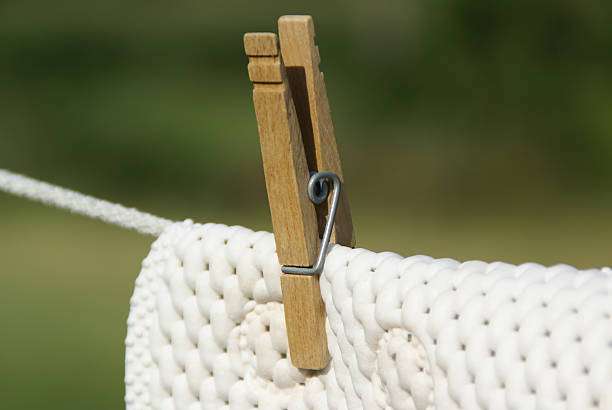
The drying method has a significant impact on the curling of the edges of a bath mat . Hanging and laying it flat are key methods to extend its lifespan. When hanging, ensure the edges of the bath mat hang naturally, avoiding folding or stacking, allowing gravity to straighten the edges and reduce curling. When laying it flat, choose a well-ventilated, level, and dry area to ensure even pressure on the bath mat and prevent moisture from accumulating at the edges.
their bath mats into tubes or stack them in bathroom corners to save space . While convenient, this can cause the edges to deform under pressure over time, increasing the risk of warping. Proper drying and storage are essential for maintaining smooth edges and extending the material’s lifespan.
Maintenance Tip 2: Regular Cleaning and Gentle Care
The cleaning method directly affects the elasticity of the edges and corners and the anti-slip effect. When cleaning bath mats , avoid using excessively hot water or strong alkaline or acidic detergents to prevent material aging. For silicone, rubber, and PVC materials, warm water with a neutral detergent is sufficient. When cleaning, use a soft-bristled brush to gently brush along the grain, avoiding repeated folding, pulling, and vigorous scrubbing of the edges and corners.
For deep cleaning, lay the bath mat flat in a basin of water to soak, loosening the dirt before gently brushing to reduce localized stress on edges and corners. After cleaning, rinse thoroughly with clean water to remove any residual detergent, preventing chemical residue from causing the material to become brittle. Scientific cleaning and gentle care not only remove dirt but also maintain the elasticity of edges and corners, preventing the problem of warping from worsening.
Maintenance Tip 3: Take precautions before and after use and turn the item over.
Tips before and after use can also effectively delay edge curling. Before use, ensure the bath mat is laid flat with edges and corners firmly against the ground to avoid curling or folding. During use, avoid repeatedly hooking your toes on the edges and corners; try to step on the center or a flat area of the bath mat .
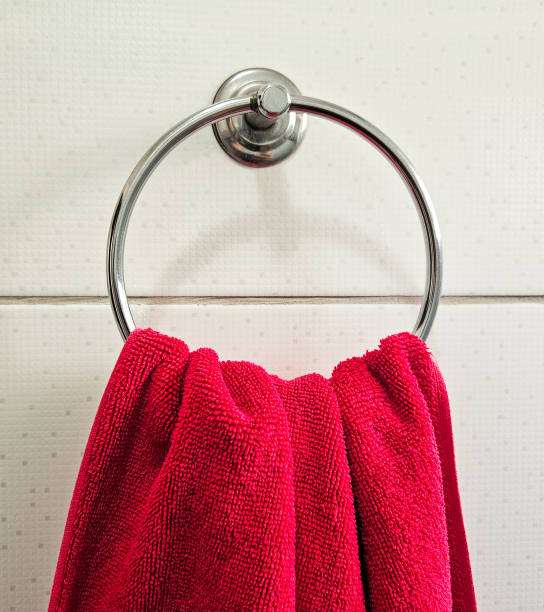
After each shower, shake off the excess water and turn the product over to air dry, allowing the moisture to evaporate quickly and preventing dampness from accumulating in the corners. Also, periodically check the corners for any slight curling; if any issues are found, flatten them or adjust the drying direction to prevent small problems from escalating into major risks.
These seemingly simple daily actions are crucial for extending the lifespan of your bath mat and ensuring safe use. Combining proper cleaning and drying can help maintain its smoothness, comfort, and slip resistance for a long time.
Other precautions
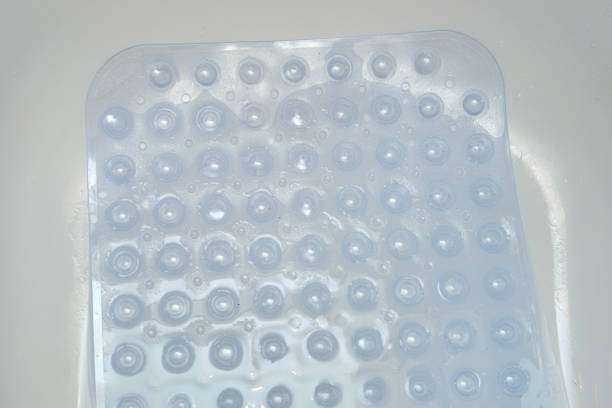
In addition to the three maintenance tips mentioned above, some supplementary measures can be taken. Choosing a bath mat with good toughness and stable elasticity can reduce the risk of corners lifting. For highly absorbent materials such as sponge or cotton, avoid long-term water accumulation; ventilation and drying are crucial. For old bath mats with corners that are prone to lifting , use special anti-slip strips or bathroom anti-slip mats for reinforcement to reduce safety hazards.
Regularly check the edges and the bottom of the suction cups, and promptly replace any worn or severely warped bath mats to prevent slipping or tripping. Proper use and scientific maintenance not only ensure home safety but also extend the lifespan of the mat and avoid waste caused by frequent replacements.
FAQ
Question 1: Will the raised corners of the bath mat affect safety?
Yes. Raised corners are easily stepped on or caught by feet, increasing the risk of slipping and tripping, especially for children, the elderly, and people with athlete’s foot.
Question 2: How to prevent the edges of a bath mat from curling up?
Use scientific drying methods: hang or lay flat to dry in a well-ventilated area, avoiding folding or stacking; wash regularly and care for gently; ensure the edges are flat and turn the mat over to dry before and after use.
a bath mat with slightly curled edges still be used?
Yes, it can be used, but the drying direction should be adjusted promptly, the edges flattened, and ventilation improved. If the curling is severe or the material shows obvious signs of aging, it should be replaced immediately for safety.