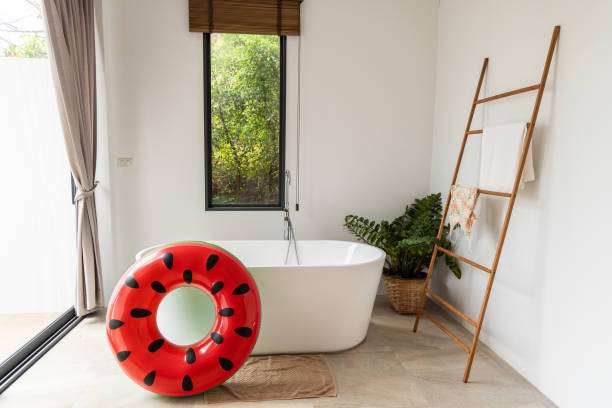
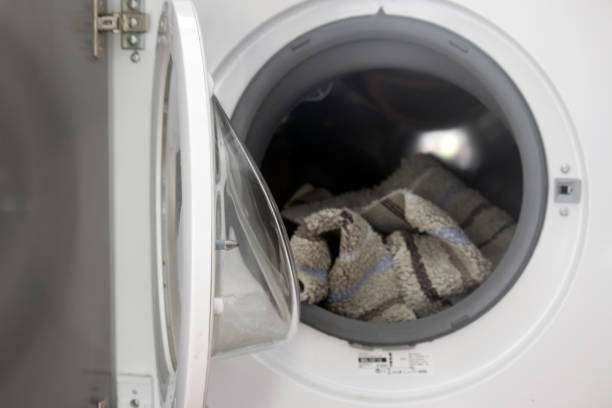
Does a bath mat pose hidden risks? 4 facts illustrating the potential for cross-infection among people with athlete’s foot.

In the home bathroom, bath mats, as essential anti-slip and comfort items for bathing, may seem ordinary but harbor hidden health risks. For those suffering from athlete’s foot, bath mats can become a medium for fungal transmission, leading to cross-infection among family members.
Athlete’s foot is caused by dermatophytes, which thrive in moist, warm, and enclosed environments, conditions that bath mats perfectly provide. If not properly cleaned and managed, bath mats used by those with athlete’s foot can become a breeding ground for fungal spores, increasing the risk of infection for other family members.
Fact 1: Bath mats have a high density of microorganisms on their surface.
Studies have shown that bathrooms are among the most microbial-dense spaces in the home, especially on frequently used surfaces like bath mats. Prolonged contact with foot moisture, dead skin cells, and sweat provides an ideal nutrient source for fungi and bacteria.
When people with athlete’s foot use a bath mat, fungal spores adhere to the fibers, textures, and grooves along with sweat. Regular rinsing cannot completely remove these spores, and incomplete air drying leaves a moist environment that further promotes fungal growth. High microbial density means athlete’s foot spores spread more easily, and other family members may also become infected by walking barefoot on the mat, creating a risk of cross-infection.
The type of mat significantly affects microbial density. Cotton and microfiber mats are highly absorbent, creating a moist environment where spores can easily take root. While rubber and PVC do not absorb water, their textured surfaces can trap moisture, allowing fungi to thrive in certain areas.
Novice users often underestimate the survival ability of surface microorganisms, assuming that invisible bacteria and fungi are harmless. In reality, athlete’s foot fungus can survive on surfaces for days to weeks.
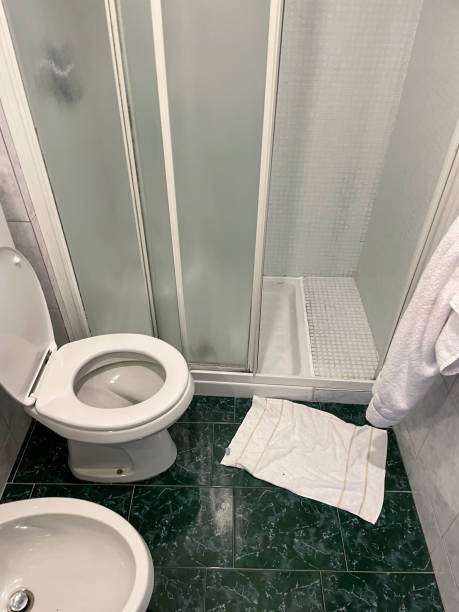
Fact 2: Humid environments accelerate the spread of fungi.
Fungi thrive in moist environments, and the high humidity of bathrooms, combined with the prolonged contact between bath mats and feet, creates a stable, moist microenvironment. When someone with athlete’s foot steps on the mat, the residual moisture between the fibers cannot completely evaporate, providing a breeding ground for fungi.
Spores multiply rapidly in this moist environment and spread to other areas of the bathroom, such as the bathtub, floor, towels, or slippers, through moisture, footsteps, or airflow, increasing the chances of infection for family members.
Incomplete air drying and insufficient ventilation can cause moisture to accumulate at the bottom and in the folds of the bath mat, creating a concentration zone for microorganisms. Especially in winter, the warm bathroom and the difficulty in dissipating moisture further increase the survival rate of athlete’s foot fungi on the bath mat.
This humid environment not only promotes fungal growth but also makes it easier for spores to adhere to the soles of the feet, creating a chain of reinfection.
Fact 3: Sharing a bath mat is a high-risk behavior for cross-infection.
In households, many bath mats are shared by multiple family members, especially in the limited space of a bathroom. Spores from a bath mat stepped on by someone with athlete’s foot can adhere to its surface and fibers, easily contaminating other family members when they walk on it barefoot.
While athlete’s foot fungus is typically transmitted through skin contact, mats act as a medium, allowing those who come into direct contact with the infected person to become infected even without direct physical contact.
First-time infections may only cause mild itching between the toes or on the soles of the feet, easily overlooking the symptoms and leading to a worsening of the condition. Children and the elderly in households have relatively lower immunity, and are at higher risk of infection when walking barefoot on shared bath mats.
This fact shows that sharing mats is a significant link in the cross-infection of athlete’s foot, and ordinary washing and simple drying cannot completely eliminate the risk.
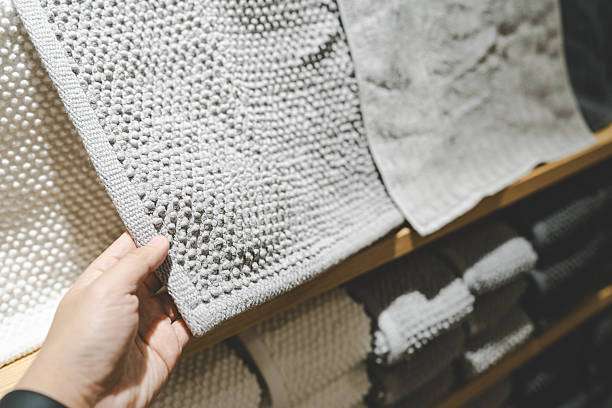
Fact 4: Improper cleaning and drying of mats poses hidden risks.
Even if family members are aware that bath mats can become breeding grounds for fungi, improper cleaning and drying methods can still perpetuate the risk. Low-temperature washing cannot kill stubborn fungi, and prolonged air-drying or stacking can create a moist environment that allows spores to continue to multiply.
Cotton or high-density fiber bath mats, in particular, dry slowly inside after absorbing water, making it difficult to remove spores that remain trapped within. If a person with athlete’s foot uses a mat and does not clean it with high temperatures or sterilization methods, it can easily become a medium for persistent cross-infection.
A common mistake novice users make is simply rinsing the surface or hanging it to air dry, assuming the spores will disappear naturally. In reality, stubborn fungal spores can survive for weeks in moist fibers, and incomplete drying actually increases the risk of cross-infection. This is one of the important reasons why athlete’s foot is difficult to cure in households for extended periods.
Protection and Management Strategies
- Dedicated mat: Patients with athlete’s foot should use their own personal bath mat to avoid sharing with family members and reduce the spread of fungi.
- High-temperature cleaning: Clean the bath mat with warm water (above 50℃) or disinfectant at least once a week, and rinse thoroughly to reduce spore survival rate.
- Quick drying: After washing, immediately air dry in a well-ventilated place. Avoid air drying in the shade or stacking for storage to reduce the humid microenvironment.
- Material selection: Choose bath mats made of quick-drying, antibacterial materials, such as microfiber or rubber, to reduce the rate of fungal adhesion and reproduction.
- Regular replacement: Long-term use or material aging can easily lead to the accumulation of spores, so it should be replaced regularly to ensure safety and hygiene.
These strategies can effectively reduce the risk of bath mats acting as a vector for cross-infection, while protecting the foot health of family members.
Conclusion
While seemingly ordinary, mats can be a significant vector for cross-infection within families, especially for those suffering from athlete’s foot. High surface microbial density, a moist environment conducive to fungal growth, easy transmission through shared bath mats, and improper cleaning and drying all increase the risk of cross-infection.
Choosing the right materials, using a dedicated bath mat, timely cleaning and drying, and regular replacement are key measures to protect family health and reduce the spread of athlete’s foot. Household hygiene management should start with small items; bath mats, though small, play an indispensable role in the health chain.
FAQ
Question 1: What special precautions should be taken when using a bath mat for athlete’s foot?
It is recommended that athlete’s foot sufferers use a personal bath mat and avoid sharing it with other family members. After washing, wash it with high temperature and dry it thoroughly to reduce the risk of fungal transmission.
Question 2: Can ordinary washing and air drying completely eliminate athlete’s foot fungus?
Ordinary rinsing and air drying cannot completely eliminate stubborn fungi, especially on cotton or high-density fiber bath mats. High-temperature washing, disinfection, or the use of antibacterial materials are more effective.
Question 3: Can children or the elderly get cross-infected by stepping on a bath mat?
It’s possible. Children and the elderly have lower immunity, and stepping barefoot on a bath mat used by someone with athlete’s foot could expose them to fungal spores. Therefore, personal bath mats should be used and kept dry and clean.