Bath mat needed replacing? Here are 7 signs that you must replace it immediately.

Bath mats are essential for bathroom safety, providing comfort and slip resistance. While many focus on appearance, neglecting a mat’s condition can lead to hazards. Over time, bath mat materials degrade, harbor dirt, and can breed bacteria.
Ignoring these signs not only diminishes comfort but also increases the risk of slips, infections, and respiratory issues. Many households only realize a mat needs replacing after severe damage or an accident. Understanding the indicators for replacement is therefore vital.
This article outlines seven key signs that signal it’s time to replace your bath mat immediately and offers advice for prolonging its life.
Signal 1: Curled or Raised Edges
Curled or raised edges on a bath mat are common indicators of material aging and uneven stress. These not only detract from the look but also reduce slip resistance, creating a tripping hazard.
While minor curling might not cause immediate issues, it can worsen over time. For vulnerable individuals like children or the elderly, curled edges pose a significant safety risk, signaling the mat’s lifespan is nearing its end.
Signal 2: Worn Anti-Slip Texture
A bath mat’s effectiveness relies on its anti-slip features, such as grooves, suction cups, or textured surfaces. Friction, rinsing, and general use can wear down these textures.
If the mat feels smooth underfoot, suction cups lose their grip, or it becomes slippery when wet, its anti-slip performance is compromised. Even if the material is otherwise intact, a failed anti-slip mechanism necessitates replacement due to increased slipping risks.
Signal 3: Material Hardening or Loss of Elasticity
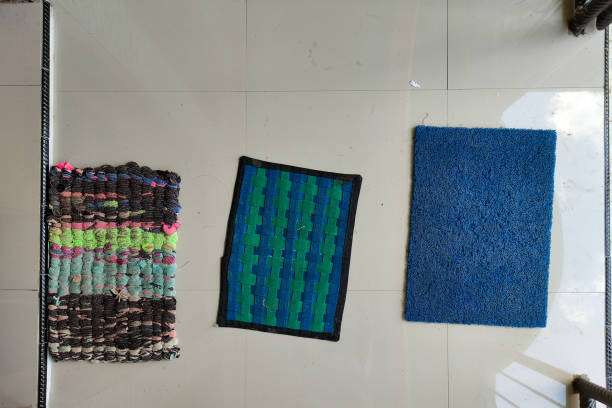
Materials like silicone, PVC, or rubber can harden and become brittle or deformed after prolonged exposure to water, cleaning, and use. This hardening reduces comfort and can exacerbate edge curling, weaken suction cup adhesion, and impede drainage.
A stiff feel and lack of edge elasticity are clear signs of material aging. This degradation significantly impacts the mat’s safety and comfort, indicating it’s time for a replacement.
Signal 4: Stubborn Soap Scum and Limescale
Soap scum, limescale, and dead skin cells can accumulate on bath mats, embedding in the surface and crevices. Regular cleaning is crucial, but if stubborn stains persist after repeated efforts, it suggests the material has been degraded by mineral buildup.
This can lead to micro-cracks and discoloration. Using a mat with persistent, unremovable stains increases the risk of bacterial growth, odors, and cross-contamination. Such a mat should be replaced promptly.
Signal 5: Persistent Odors or Mold
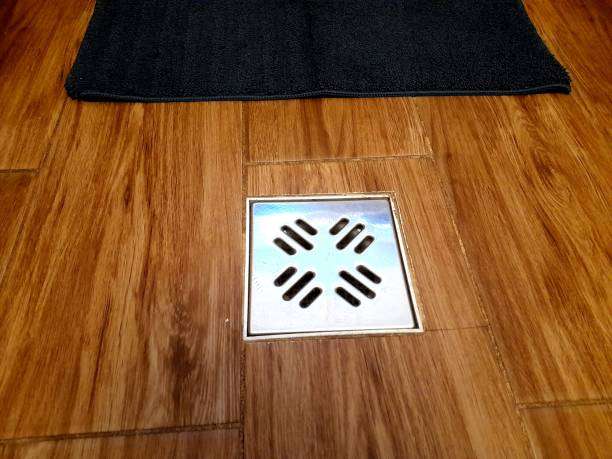
Humid bathroom environments are breeding grounds for mold, bacteria, and odors, especially in poorly ventilated spaces. While temporary odors can be managed with cleaning, persistent smells or visible mold indicate deep-seated microbial growth.
These issues not only affect the user experience but can also trigger respiratory problems and allergic reactions, serving as a strong signal to replace the mat.
Signal 6: Decreased Suction Cup or Bottom Adhesion
Suction cup bath mats rely on secure adhesion to prevent shifting and ensure stability. Over time, limescale buildup, material aging, or surface wear can weaken these suction cups.
A mat prone to moving or curling when stepped on indicates compromised adhesion. This directly impacts safety and signifies a critical failure in the mat’s protective function, necessitating immediate replacement.
Signal 7: Cracks, Holes, or Peeling Material
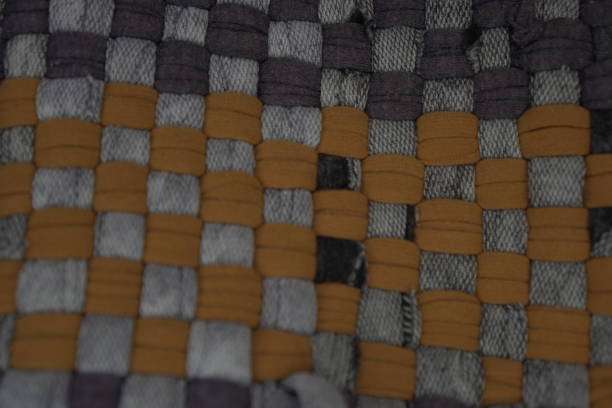
Visible cracks, holes, or peeling material are undeniable signs that a bath mat has reached the end of its lifespan. Cracks can spread from the edges inward, while holes compromise both appearance and safety.
Peeling material is particularly hazardous, potentially causing instability and slips. Regardless of the mat’s type or brand, these physical damages warrant immediate replacement to ensure user safety.
Comprehensive Assessment and Replacement Advice
By observing these seven signs and performing simple tactile checks, you can determine when your bath mat requires replacement. Minor issues like slight edge curling might be managed with enhanced cleaning and airing.
However, if the material has hardened, lost its anti-slip properties, exhibits unremovable stains, or developed odors, mold, or cracks, the mat has lost its protective function and must be replaced.
When selecting a new bath mat, opt for durable, quick-drying, easy-to-clean materials with good drainage. For households with children, the elderly, or individuals prone to athlete’s foot, prioritize mats with superior anti-slip features, smooth edges, and quick-drying designs.
Regular maintenance, including proper airing, cleaning, and ensuring the bathroom is well-ventilated, can extend the lifespan of your bath mat and reduce the frequency of replacements.
FAQ
Question 1: How long should a bath mat be used before it needs to be replaced?
There’s no fixed lifespan; it depends on material, cleaning habits, and usage. For typical home use, one to two years is common. Replace sooner if any of the aforementioned signs appear.
Question 2: Can I continue using it if the edges and corners are slightly curled up?
Temporary use is possible, but increase air drying and maintenance to prevent slips and worsening curling. If curling is severe or accompanied by a loss of anti-slip properties, replace it immediately.
Question 3: How to extend the lifespan of a bathroom mat?
Choose durable materials, ensure proper airing, clean regularly, avoid folding and stacking, promptly remove stains, and maintain good bathroom ventilation. These practices delay material aging and anti-slip failure.