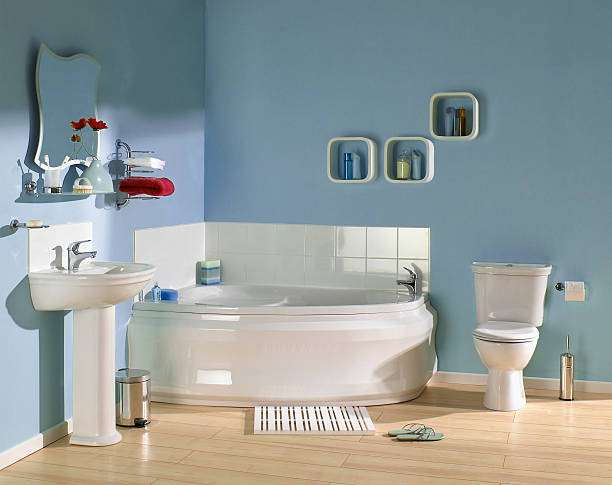
4 key factors driving the surge in bath mat sales: How to fully awaken home safety awareness

Starting with seemingly insignificant little items, home safety is being redefined.
If we rewind ten years, bath mats would almost never appear in any discussions of “essential consumer goods.” They were usually relegated to the bottom shelf of supermarkets, inexpensive, readily available, and easily replaced when broken; many households didn’t even have the habit of using bath mats long-term . If someone slipped in the shower, most people would simply attribute it to “losing their balance,” rather than reflecting on whether there were systemic risks in the bathroom environment.
But now, the situation has fundamentally changed. Bath mat sales continue to rise across multiple channels, from offline supermarkets to e-commerce platforms, and from ordinary households to the elderly, families with children, and people recovering from surgery—demand has increased almost simultaneously. More importantly, people are no longer buying bath mats simply for “anti-slip” reasons, but rather for “home safety.”
bath mat sales is not an isolated phenomenon; it reflects a comprehensive awakening of home safety awareness. This awakening didn’t happen overnight, but rather is the result of a gradual accumulation of changes at multiple social, familial, and individual levels. Understanding these four key factors is crucial to truly understanding why the bath mat has transformed from a marginal item into a household necessity.
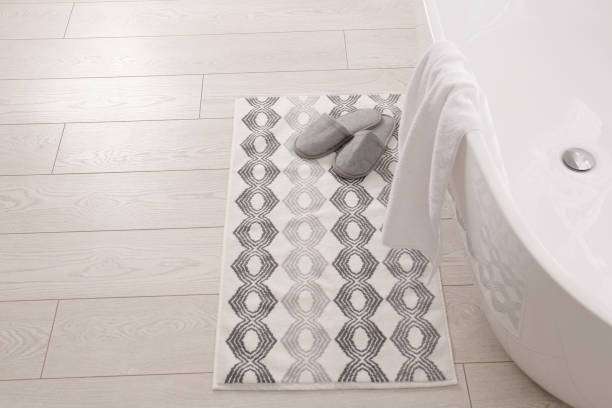
Key Factor 1: A shift in perception of home accidents, from accidents to preventable risks.
In the past, when people talked about home accidents, they often used words like “bad luck,” “careless,” or “unlucky.” This linguistic habit essentially personalizes risk and interprets accidents as accidental events. It is within this cognitive framework that many potential dangers have been overlooked for a long time, with bathroom slips being the most typical example.
With the dissemination of medical research, rehabilitation cases, and public health information, people are gradually realizing that home accidents do not occur randomly, but are highly related to environmental design. Slippery floors, poor traffic flow, and lack of protective measures—these factors combined turn “accidents” into high-probability events. The bathroom is no longer just a space for relaxation and cleaning, but is being re-recognized as one of the areas with the highest risk density in the home environment.
This cognitive shift has directly changed consumer behavior. The role of the bath mat has changed when people begin to view slips as a preventable risk. It’s no longer just “an extra layer of matting,” but a risk management tool, a proactive choice to reduce the probability of accidents. Rather than enduring medical, nursing, and psychological stress afterward, it’s better to intervene beforehand with a relatively low-cost product.
This shift in mindset was the first cornerstone of the surge in bath mat sales. Once risks are systematically understood, protective products transform from optional to essential.
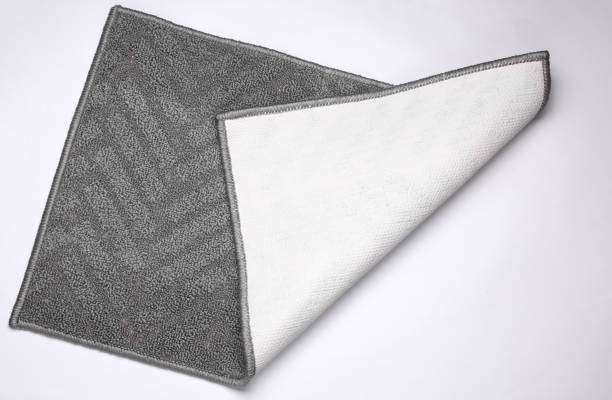
Key Factor Two: Changes in family structure make safety responsibilities more specific.
The growing awareness of home safety is not an abstract upgrade of concepts, but rather closely related to changes in family structure. More and more families are experiencing realities such as members living separately, elderly people living apart from their children, and the fragmented time of dual-income families. These changes have made “not being able to be there to care for someone at all times” a common occurrence.
It is against this backdrop that safety responsibility has begun to shift from “companionship-based” to “environment-based.” When children cannot remind their parents to be careful while bathing every day, and when caregivers cannot be by their side 24 hours a day, the only feasible way is to reduce risks by modifying the living environment. Bath mats are precisely at the core of this logic.
For many families, purchasing a bath mat isn’t driven by a strong user demand, but rather by a desire to “at least do what they can to ensure everyone’s safety.” This consumer motivation carries a clear sense of responsibility and emotional factors. The bath mat becomes a tangible expression of care, a manifestation of family members’ responsibility for each other’s safety.
This is why the sales growth of bath mats doesn’t solely rely on price incentives. Many consumers prioritize stability, durability, and long-term performance over the lowest price when making their choices. This shift from “cheap is good” to “reliability is more important” reflects an overall rise in consumer standards as family safety responsibilities are taken more seriously.
Key Factor Three: Increased time spent at home exposes hidden risks.
Whether a home environment is safe often depends on the frequency of use. When people only spend a short time at home each day, many problems are not amplified. However, as the time spent at home increases significantly, previously overlooked hidden risks gradually surface.
In recent years, the widespread adoption of lifestyles such as working from home, flexible work arrangements, and home-based elderly care has led to a significant increase in the amount of time people spend at home. Bathrooms are no longer just functional spaces used twice a day, but are being used much more frequently. Washing hands, washing face, quick rinses, and relaxing showers—these high-frequency actions have made the problem of slippery floors even more prominent.
Increased usage amplifies the probability of risks and makes people more sensitive to unsafe experiences. A single near-slip can be enough to change a family’s perception of bathroom safety. In contrast, bath mats, as an immediately visible and effective solution, are naturally the preferred choice.
At the same time, increased time spent at home has made people more willing to invest in quality of life and a sense of security. Bath mats have shifted from being used as a “makeshift solution” to being “long-term fixtures,” and from occasional use to daily dependence. This change in usage habits has directly driven sustained sales growth, rather than short-term fluctuations.
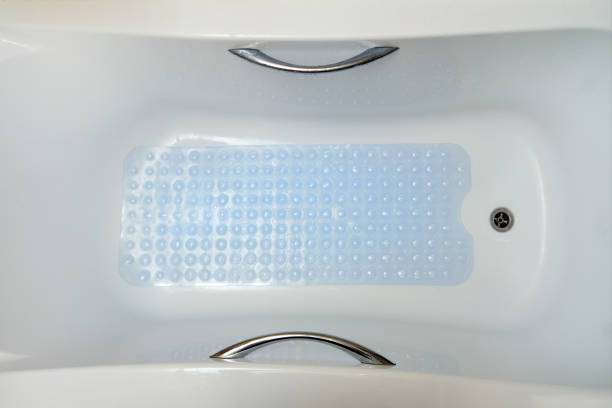
Key Factor Four: Safety no longer means “like a medical device”; aesthetics and function are beginning to go hand in hand.
For a long time, home safety products have faced a common problem: their appearance is often off-putting. The bulky, cold, and medical-looking designs deter many people from using these products at home, even if they are aware of the risks. Bath mats have also been heavily influenced by this stereotype.
However, with changing design philosophies, safety products are beginning to break away from the old path of “function first, neglecting experience.” The materials, feel, color, and overall visual effect of bath mats are constantly being optimized. They are no longer seen as a reminder of aging or fragility, but rather as a natural part of the bathroom space.
The impact of this change on sales has been severely underestimated. When safety is no longer equated with “ugly,” “awkward,” or “like a hospital,” consumers’ psychological resistance decreases rapidly. People are more willing to proactively install bath mats and more willing to recommend them to family and friends.
The parallel development of aesthetics and functionality has transformed bath mats from something “inevitable” to something “comfortable to use.” Once this positive cycle is established, the product has the foundation for long-term growth.
The true meaning of awakening home safety awareness
bath mat sales, while seemingly a market shift within a single product category, is actually a result of a broader upgrade in home safety awareness. People are no longer waiting for accidents to occur before reflecting on environmental issues; instead, they are proactively identifying risks and intervening in advance. Once this shift in awareness takes hold, it will spread to more aspects of daily life.
From bathroom floors to stairs, bedrooms, and kitchens, home security is moving from a peripheral issue to a core one. Bath mats are just one of the first aspects to gain widespread acceptance because they are low-cost, quick to implement, and provide the most direct risk perception.
When a society begins to take these seemingly minor details seriously, it indicates that people’s understanding of quality of life, security, and long-term health has entered a new stage.
Conclusion: Behind the sales growth lies a maturing lifestyle.
bath mat sales is not a marketing frenzy, but a natural result of growing home safety awareness. When people no longer rely on luck for safety but instead make concrete lifestyle choices, the growth of this type of product becomes a long-term trend.
What truly matters is not how many more bath mats can be sold, but whether this awareness will continue to spread. From this perspective, bath mats are merely a starting point, an entry point reminding people to re-examine their home environment.
Home safety is moving from being a neglected area to becoming a central concern in family decision-making.
FAQ
Question 1: Is the growth in bath mat sales primarily driven by the elderly population?
The elderly are one important driving force, but not the only one. Families with children, people recovering from surgery, and adults spending more time at home are also significantly boosting demand.
Question 2: Why has home safety awareness suddenly become more acute in recent years?
Because changes in family structure, increased time spent at home, and the widespread dissemination of risk information have all occurred simultaneously, creating a cumulative effect that makes it impossible for people to ignore the hidden dangers in their daily environment.
Question 3: Is the bath mat just a short-lived fad? The likelihood is very low. As long as home safety awareness persists, the bath mat, as a low-cost, high-return risk intervention tool, will remain a part of family life for a long time.