Bath mats really dry quickly? 4 key factors determine whether their quick-drying performance fails

In modern homes, bath mats are not only for slip resistance and comfort but also for convenience and ease of maintenance. Quick-drying performance has become a crucial criterion for many consumers when choosing a bath mat .
The “quick-drying bath mat” advertised by manufacturers evokes images of mats that can be reused within minutes of washing, free of odor and moisture. However, in reality, many users find that so-called quick-drying bath mats don’t always dry as quickly as advertised and may even develop odors or mold growth.
The reason for this is that the quick-drying performance of a bath mat is affected by multiple factors, from material characteristics and environmental conditions to usage and cleaning methods, all of which can render the quick-drying effect ineffective. This article will analyze four key factors in depth to help consumers scientifically understand the limitations of the quick-drying performance of bath mats and how to address them.
Material determines quick-drying potential
A bath mat is the primary determinant of its quick-drying performance. The absorbency, fiber density, structural thickness, and breathability of different materials directly affect the rate of moisture evaporation.
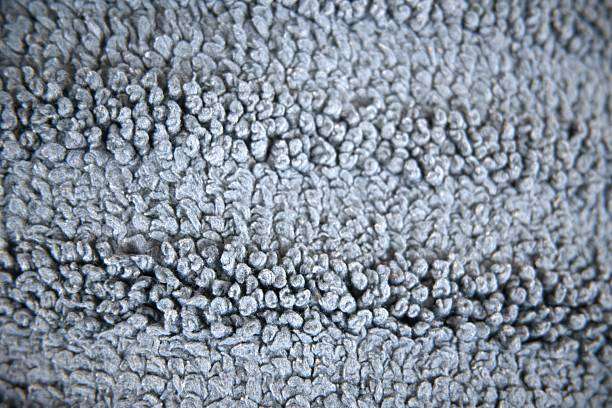
- Cotton: Soft and comfortable but highly absorbent and thick, resulting in a relatively slow drying speed. Even if advertised as quick-drying, it’s easy for moisture to remain at the bottom or in folds.
- Microfiber: Have fine fibers, good drainage, and are highly breathable, resulting in a significantly faster drying speed than cotton.
- Rubber and PVC surfaces: Do not absorb water, but their textured grooves easily trap water, creating localized damp areas if not dried promptly after washing.
The material also determines the ability to withstand high temperatures and quick-drying processes. For example, some high-density memory foam or sponge-based bath mats may deform or damage the fibers under high-temperature drying, thus reducing their overall quick-drying performance. Therefore, when choosing a quick-drying bath mat , understanding the material characteristics is more important than simply relying on advertising claims.
Thickness and structure affect moisture evaporation
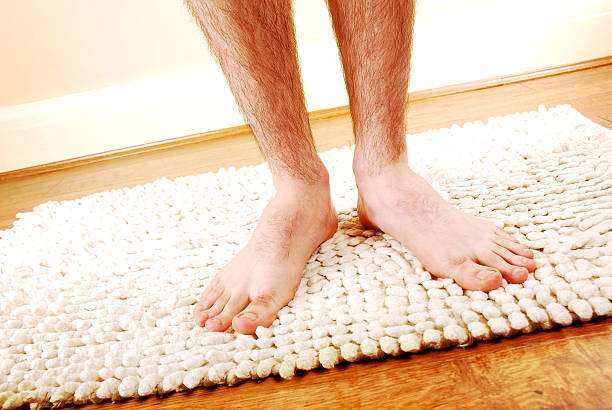
Thickness and structure directly affect a bath mat’s drying speed. Thick, dense fiber layers provide comfort and cushioning, but the evaporation path of moisture within the fibers is longer, resulting in slower drying. Thinner bath mats with mesh or porous designs allow moisture to evaporate easily, resulting in significantly faster drying. The textured design of a non-slip rubber or PVC bottom, if the grooves are deep, can also prolong drying time as residual moisture cannot escape.
Thickness and structure not only affect drying speed but also the risk of microbial growth. Incomplete air drying allows fungi and bacteria to multiply deep within the fibers, resulting in odors or health hazards. Therefore, quick-drying bath mats often require a trade-off between comfort and dryness in their thickness and structural design.
The evaporation efficiency is determined by the operating environment.
Even with superior materials and a well-designed structure, the environment in which it’s used significantly impacts its quick-drying performance. Poor ventilation, high humidity, and slow airflow in the bathroom can all cause a bath mat to remain damp for extended periods.
In bathrooms used by multiple people daily, water vapor accumulates, making it difficult for the bath mat to dry quickly, even when hung to air dry. Conversely, a well-ventilated environment with smooth airflow and low humidity accelerates evaporation, achieving a truly quick-drying effect.
In addition, bathroom temperature and lighting conditions also affect drying speed. High temperatures can increase the rate of moisture evaporation, while sunlight not only provides heat but also inhibits the growth of some microorganisms, improving hygiene. Conversely, even microfiber or thin bathroom mats may experience slow drying or odor problems in cold, enclosed bathrooms.
Cleaning and maintenance methods affect the duration of quick drying.
Quick-drying performance is not a one-time thing; usage and cleaning methods affect its long-term performance. Frequent washing, using excessive detergent, or incomplete rinsing can leave residual chemicals on the fibers, altering surface tension and drainage, thus reducing evaporation efficiency.
Folding for storage, folding for drying, and incomplete air drying can all cause moisture to remain inside the bath mat , impairing its quick-drying properties. Especially with highly absorbent materials, prolonged dampness can cause fiber deformation or mold growth, significantly reducing its quick-drying characteristics.
Therefore, proper cleaning and drying are key to maintaining the quick-drying properties of bath mats. Shaking dry after use, turning the mat over multiple times, hanging it for ventilation or laying it flat to dry, and regular deep cleaning can all effectively extend the quick-drying characteristics of bath mats .
A comprehensive strategy ensures quick drying and hygiene.
In summary, quick-drying performance is affected by four main factors: material, thickness and structure, usage environment, and cleaning and maintenance methods. Consumers should consider their home environment and the needs of their family members when choosing a bath mat .
First, understand the material properties and choose materials with good drainage and quick-drying properties. Second, pay attention to the thickness and fiber structure of the bath mat to balance comfort and drying speed. Third, improve bathroom ventilation and air circulation to ensure rapid moisture evaporation. Finally, maintain proper washing and airing practices, avoiding shade drying and folded storage to prevent moisture retention and microbial growth.
Quick-drying technology not only guarantees a comfortable experience but is also crucial for hygiene and health. Proper management, use, and maintenance are essential to ensure the advertised quick-drying performance is fully realized, while simultaneously extending product lifespan and protecting family safety.
FAQ
Question 1: Do quick-drying bath mats really dry in just a few minutes after each wash?
Not entirely. The drying effect of quick-drying bath mats is affected by the material, thickness, environment, and drying method. They usually dry completely in several tens of minutes to an hour in a well-ventilated environment, while thicker or highly absorbent materials take longer.
Question 2: Will high humidity in the bathroom affect quick-drying performance?
Yes. High humidity and poor air circulation in the bathroom will slow down the evaporation rate of moisture. Even quick-drying bathroom mats may dry slowly or develop an odor.
Question 3: How to maintain the quick-drying performance of bath mats ?
After use, shake dry, turn over, hang to ventilate or lay flat to dry. Clean regularly, and avoid long-term stacking or incomplete air drying to ensure that the material, structure and dry environment work together.