How often should a bath mat be washed for safety? A complete guide to cleaning intervals for 6 different materials.

Bath mats are indispensable for slip resistance and comfort in home bathrooms, but they are also a potential source of hygiene problems.
If not cleaned regularly, bath mats can easily accumulate dead skin cells, sweat, bath residue, and even breed bacteria and fungi. For the health of family members, especially children, the elderly, or those with athlete’s foot, bath mat hygiene is directly related to safety and health.
Many people wonder about the frequency of bath mat cleaning: daily, weekly, or monthly? Different materials have different cleaning intervals due to variations in absorbency, thickness, and durability.
This article will analyze the cleaning cycles, methods, and maintenance tips for six common materials to help families scientifically manage bathroom hygiene.
Cotton bath mat : soft and comfortable but high humidity.
Cotton is known for its softness, comfort, and warmth, making it suitable for barefoot walking, and is especially popular with children and the elderly.
However, cotton is highly absorbent but dries slowly, and trapped moisture can breed mold and bacteria.
For everyday household use, it is recommended to wash it once a week to thoroughly remove attached skin flakes, sweat, and microorganisms. If the bathroom has high humidity or there is someone in the household with athlete’s foot, shake dry after each shower and hang to air dry to prevent water accumulation.
Cotton bath mats can be hand-washed or machine-washed with warm water and a suitable amount of laundry detergent. High-temperature rinsing can further kill microorganisms.
When drying, lay flat or hang to dry, avoiding folding, to speed up the drying process.
Regular washing and thorough drying not only maintain hygiene but also extend the mat’s lifespan.
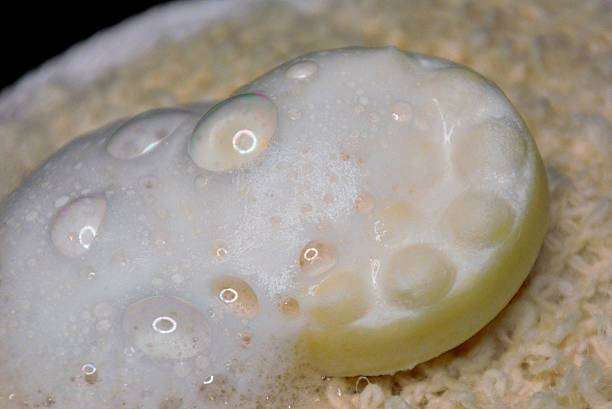
Microfiber bath mat : a quick-drying wonder, but it absorbs water and retains moisture easily.
Microfiber is popular due to its quick absorption, easy drying, and high durability. This type of material dries rapidly, has a short moisture retention time, and limits the space for microbial growth.
Generally, ordinary households only need to wash it every two weeks, but if multiple people use it daily or someone has athlete’s foot, it should be shortened to once a week.
Microfiber bath mats are suitable for machine or hand washing; high temperature or warm water washing can effectively kill residual microorganisms.
During use, avoid prolonged stacking or folding; ensure proper ventilation and drying. When washing, use an appropriate amount of antibacterial detergent to enhance mildew resistance.
Thanks to the material’s quick-drying properties, microfiber bath mats can be reused quickly, making daily household management convenient.
Rubber bath mat : Excellent anti-slip properties, but water tends to accumulate on the surface.
bath mat material offers excellent slip resistance, making it suitable for the elderly and children.
However, while rubber has low water absorption, its textured surface and grooves easily trap water droplets.
If not cleaned promptly, these can create localized damp areas, becoming a breeding ground for microorganisms.
For daily use, it is recommended to rinse and dry the surface with clean water weekly, and perform a deep clean every two weeks, including the bottom and textured crevices.
When cleaning, use warm water and a neutral detergent, gently scrubbing the textured crevices to avoid water residue buildup.
Rubber bath mats should not be exposed to direct sunlight for extended periods or dried at high temperatures, as this can cause material aging.
Regular cleaning and keeping them dry are key to ensuring the hygiene of rubber bath mats and extending their lifespan.
PVC Bath mats : durable and convenient, but odors may accumulate.
PVC is durable, easy to clean, and suitable for frequent daily use.
PVC bath mats have low water absorption and dry quickly, but the material may release trace amounts of plasticizers or develop an odor with use.
Rinsing is recommended weekly, and a thorough cleaning every two weeks is necessary, including the non-slip suction cups and textured surface.
Use warm water and a neutral detergent; avoid using detergents containing strong acids or alkalis to prevent damage to the material.
PVC The advantages are that it dries quickly, is wear-resistant, and requires less frequent cleaning, but attention still needs to be paid to cleaning the bottom anti-slip structure and local creases to prevent odors and microbial accumulation.
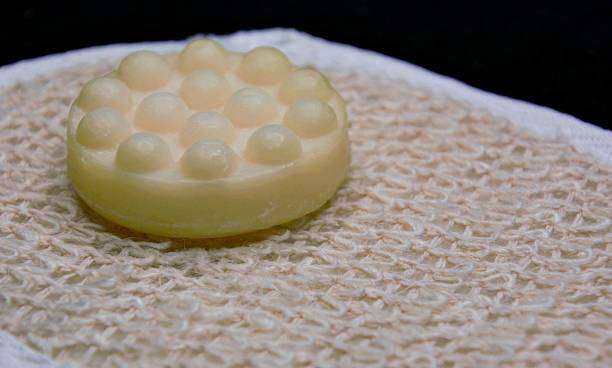
Bamboo fiber bath mat : Natural and environmentally friendly, but requires frequent care.
Bamboo fiber bath mats are favored for their natural, environmentally friendly nature and good antibacterial properties.
However, bamboo fiber still absorbs water, and the drying speed depends on air circulation. For daily household use, it is recommended to wash them once a week.
If used frequently or shared by multiple people, shake them dry after each shower and ensure good ventilation.
Avoid soaking bamboo fiber bath mats for extended periods during washing to prevent fiber damage or deformation. Gentle hand washing or machine washing on a low-temperature setting will maintain the material’s softness and antibacterial properties.
Bamboo fiber feels comfortable to the touch after drying, and microbial growth is relatively slow. However, incomplete air drying can still lead to odors and health risks, so ventilation and regular cleaning are essential.
Foam or memory foam bath mats : soft and comfortable, but difficult to dry and prone to mold.
Foam or memory foam bath mats offer excellent comfort and cushioning, but their thick, highly absorbent material dries slowly.
Improper use can easily create a breeding ground for bacteria and mold.
It is recommended that if multiple people use it daily, wash and shake dry afterward, and hang to air dry in a well-ventilated area.
A deep wash, high-temperature rinsing, or mild disinfection once a week can effectively reduce microbial accumulation.
Foam materials should not be soaked for extended periods or machine washed at high temperatures to avoid deformation or damage. Regularly check the bottom and edges, and promptly clean any water stains to prevent mold growth.
Foam and memory foam bath mats are highly comfortable options, but the frequency of washing and drying must be strictly controlled, otherwise there are higher safety and hygiene risks.
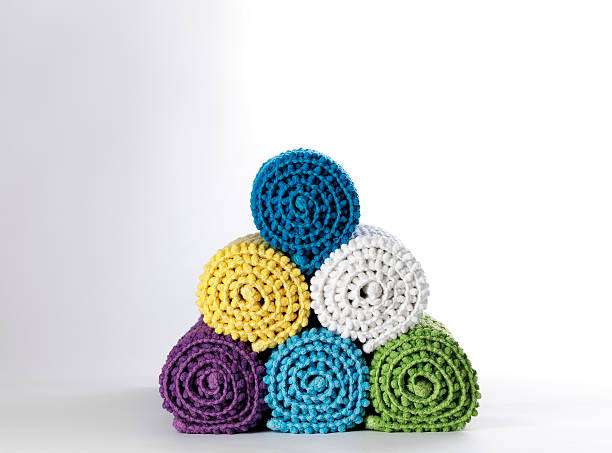
Comprehensive Recommendations
The washing intervals vary significantly depending on the material, but regardless of the material, keeping it dry, washing regularly, and ventilating are the core principles for ensuring hygiene.
Highly absorbent materials such as cotton, sponge, and bamboo fiber require more frequent washing and sufficient drying time.
While quick-drying materials such as microfiber, PVC, and rubber can have their washing intervals extended, the bottom structure and folded areas still require careful treatment.
The health status of family members and the frequency of use are also important factors in determining the cleaning cycle, especially for households with children, the elderly, or those with athlete’s foot, where washing intervals should be shortened to avoid the risk of cross-infection.
Meanwhile, bath mat cleaning methods should respect the material’s characteristics, using appropriate temperatures and detergents to avoid damaging the material and affecting its anti-slip properties.
Quick drying and good ventilation after cleaning can effectively extend the lifespan of the bath mat while reducing the risk of odors and microbial growth.
Scientifically managing the bath mat cleaning cycle is an important guarantee for the hygiene and health of your home bathroom.
FAQ
What is the safe cleaning interval for
different materials of bath mats ? Cotton, sponge, and bamboo fiber are recommended to be cleaned once a week, microfiber once every two weeks, rubber and PVC once every two weeks for deep cleaning, and can be rinsed weekly for daily use.Question 2: Is air-drying a bath mat sufficient to maintain hygiene?
Air-drying only removes some moisture but cannot completely kill microorganisms. Highly absorbent materials must be combined with ventilation and regular cleaning to prevent the growth of bacteria and mold.Question 3: Should multiple people share a bath mat and increase the washing frequency?
Yes, sharing a bath mat can easily lead to cross-infection of dander, sweat, and fungi. It is recommended to shorten the washing interval and ensure that the mat is shaken dry and air-dried after each use.