3 key indicators of bath mat to help you identify the crucial difference between rebound speed and comfort lifespan

I. Understanding Bath Matter Starting with Feedback from Your Feet
When choosing bathroom products, people often focus on appearance, thickness, and anti-slip properties, but frequently overlook the most crucial indicators—rebound speed and durability. These two parameters may seem abstract, but they are closely related to daily use. They directly determine whether a bath mat is comfortable during use, can maintain long-term support, and will not collapse, harden, become difficult to step on, or cause increasing foot fatigue with use. The most important factor in determining whether a bath mat is truly durable is not its initial softness, but whether it retains its original elasticity after a period of use and quickly returns to its initial state each time you step on it.
Modern consumers are increasingly prioritizing long-term experience over one-off pleasure when replacing bathroom products. The rebound speed and lifespan of a bath mat are like the cushioning performance of a pair of running shoes; the difference becomes more apparent over time. A good mat quickly regains its shape and maintains stable rebound and comfort even after prolonged use. Conversely, if a mat is initially soft but collapses later, it will cause an imbalance in foot support and may even compromise safety. Therefore, the first step in judging a bath mat’s quality is learning to recognize these subtle changes in feel underfoot.
a bath mat are not only related to comfort but also safety. The bathroom is one of the most slippery spaces in the home, and the cushioning effect of footsteps directly impacts stability. If the mat rebounds too slowly or has collapsed, insufficient support between the foot and the mat surface can easily lead to slips, loss of balance, or even tripping. This is especially important for the elderly, pregnant women, and children, who have a higher need for foot stability; therefore, choosing a mat with a fast rebound speed and long-term stable feel is crucial.
Meanwhile, the lifespan of a bath mat determines its value over its lifespan. If the comfort deteriorates significantly, no matter how beautiful it looks, it cannot last long. A durable bath mat often comes from more stable materials, a more scientifically designed structure, and more reliable manufacturing processes; these factors collectively determine whether it is a worthwhile long-term investment. A mat with fast rebound and a long lifespan can maintain consistent comfort for years, providing users with a supportive, massage-like feeling after every shower.
Therefore, when discussing the core quality of a bath mat , we no longer focus solely on its softness, but rather on its resilience, structural stability, and consistent feel underfoot. These dimensions collectively constitute the key to evaluating the value of a bath mat and are the most important aspects to consider in the purchasing decision.
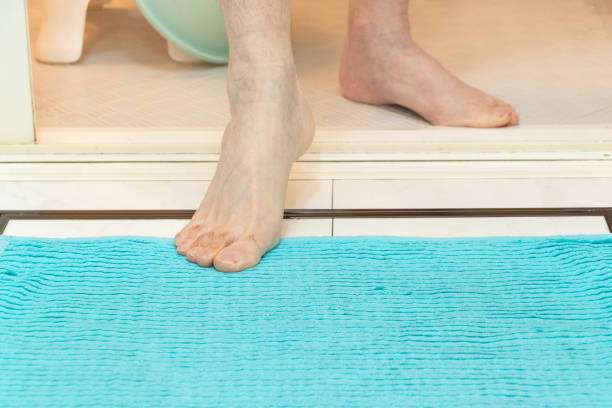
II. The first core indicator of a bath mat : How does rebound speed affect foot stability and long-term experience?
Rebound speed is the most direct indicator of bath mat quality; it defines how efficiently the mat returns to its original shape after being stepped on. When a person’s weight lands on the mat , the material compresses instantly, and a good mat must have the ability to quickly “self-repair,” allowing the soles of the feet to regain support in a short time. If the rebound speed is too slow, there will be a floating sensation underfoot, like “sinking into a swamp,” leading to instability and insufficient support during the next step.
A fast rebound speed provides immediate force feedback to the soles of the feet, which is especially important for safety. Particularly after a bath when feet are wet, if the mat ‘s resilience is insufficient, the feet may slip due to uneven support. A fast-rebound mat can quickly provide a stable platform for the feet, preventing a soft, sinking feeling upon stepping on it and thus reducing the risk of slipping.
Rebound speed also determines the overall ease of use. This is a very subtle difference in experience; many users are not even aware that they are sensitive to rebound speed. However, by simply switching to a mat with better rebound performance , they will clearly feel the improvement in pedaling comfort. For example, some materials rebound slowly like gel, giving a soft but sluggish feel underfoot; while some high-density foam, EVA, and TPE materials can quickly fill the gaps under the feet, allowing the feet to be firmly supported. In addition, good rebound can distribute pressure on the soles of the feet, making it less likely for the feet to ache even after standing on the mat for a long time.
Bath mats with honeycomb, independent pore, or closed-cell foam structures typically rebound faster and have stronger compressive strength, making them less prone to permanent dents. Conversely, low-quality mats with uneven density and loose pore structure may experience slower rebound in a short period due to material fatigue.
It’s worth noting that rebound speed also changes over time. If the initial rebound is not fast enough, it will further decrease with increased moisture, washing, and foot traffic. A truly high-quality mat should maintain a certain level of recovery efficiency even after long-term use and should not deteriorate significantly due to water absorption, pressure, or temperature changes.
When choosing a bath mat , you can use a simple “press test” to judge the rebound speed. Press down quickly with your hand and then release. If the material can quickly return to its original shape, it usually has good rebound performance. If it recovers slowly or not completely, it may have a shorter service life and the feel will fade faster.
Therefore, rebound speed is not only fundamental to the feel of the foot, but also a key determinant of safety, comfort, and long-term experience. Understanding this helps consumers make informed decisions when faced with a wide variety of bath mat materials and designs.
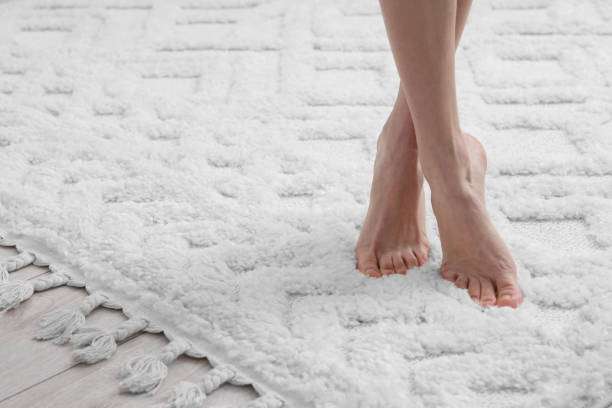
Thirdly, the second core indicator of a bath mat : material density and structure determine the feel, lifespan, and long-term support.
Bath mat lifespan is a deeper indicator than rebound speed. It reflects not only the initial comfort of the mat but also its ability to maintain stable performance over long-term use. A bath mat with a long lifespan will not significantly collapse, harden, thin, or lose support even after months or even a year of use.
The key to a mat’s feel and lifespan is its material density. Higher density means a more compact internal structure, stronger support, and better pressure resistance. High-density materials not only provide stronger support when stepped on, but also recover their original shape more quickly after compression. These types of mats typically have a firm feel and lasting elasticity, and won’t become thinner or softer with use.
In contrast, while low-density materials are initially soft, their loose internal structure makes them prone to permanent indentations after being stepped on. Prolonged water absorption further accelerates material aging, leading to a rapid decline in comfort underfoot. In particular, some inferior foams can completely collapse or even turn to powder within a few months of use, affecting not only comfort but also increasing the risk of injury.
Material structure is also a key factor determining the comfort and lifespan of a bath mat. Closed-cell foam materials do not easily absorb water, and the internal pores exist independently, so they will not soften due to moisture accumulation even when wet; open-cell foam materials, on the other hand, easily absorb water, and moisture will cause the material to lose its elasticity more quickly. Honeycomb structure design is often used in high-quality bath mat , which can distribute pressure to more support points and avoid concentrated pressure on the soles of the feet. This design not only improves comfort but also extends the overall lifespan of the bath mat .
The lifespan of a shoe is also directly related to the fatigue resistance of the material. Every step causes physical changes in the material, and materials with strong fatigue resistance can maintain structural stability after thousands of steps, without losing elasticity due to repeated compression. These materials typically undergo stricter foaming control, density adjustment, and post-processing during manufacturing to maintain their performance over long-term use.
In addition, the lifespan of a comfortable foot cover is also affected by temperature, humidity, washing methods, and frequency of use. Bathroom environments are humid with significant temperature fluctuations; if the material is unstable, it can harden or soften after being exposed to moisture. Therefore, to ensure a longer lifespan for the comfortable foot cover, choosing materials with moisture-resistant, antibacterial, and mildew-resistant properties can effectively slow down the aging process.
Once consumers understand the essence of comfort and lifespan, they can more clearly define the type of mat they need when choosing one . If you want mats that won’t deform over a long period, you should prioritize high-density, high-elasticity, closed-cell structures, and fatigue-resistant materials. bath mat with long comfort and lifespan are usually slightly more expensive, but have lower running costs because they don’t require frequent replacements and maintain comfort and support over time.
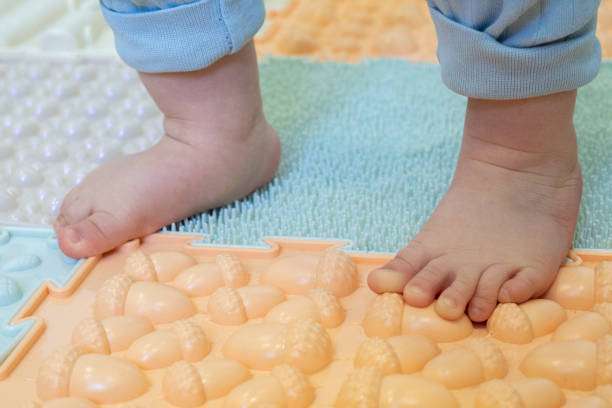
IV. The third core indicator of bath mat : How do their moisture resistance and anti-aging capabilities affect their elasticity, stability, and lifespan?
a bath mat is used dictates that it must face many complex challenges, including prolonged exposure to moisture, high-temperature steam, frequent cleaning, limescale buildup, and bacterial growth. These factors accelerate material aging, causing the bath mat to lose elasticity, harden, become brittle, collapse, or develop an odor. Therefore, moisture resistance and anti-aging capabilities are the third core indicator for evaluating the long-term quality of a bath mat , determining whether the rebound speed can be maintained over time and whether the feel underfoot can be kept at a stable level.
A mat with strong moisture resistance can effectively prevent moisture from seeping into the material, thus maintaining the stability of its internal structure. If the material is highly absorbent, the resulting pores will become full, affecting elasticity, reducing rebound speed, and making the mat feel heavy and uneven underfoot. Furthermore, water-absorbent foam materials are more prone to bacterial and mold growth in damp environments, accelerating material decomposition, causing the bath mat to soften, deform, and even develop an odor.
Anti-aging ability reflects the stability of bath mat in the face of temperature changes and long-term foot pressure. Some materials become more brittle or softer under high-temperature steam, gradually losing their elasticity; while anti-aging materials can maintain their structure under temperature changes. For example, some TPE and polymer composite materials have excellent heat and cold resistance, and can maintain their original elasticity in different seasons, without hardening in winter or becoming too soft in summer.
Anti-aging ability is also related to the chemical stability of materials. For example, PVC materials easily release odors and age when heated, while high-quality EVA or TPE materials can remain flexible and do not powder after several years of use. Materials with good anti-aging properties often have antioxidants added during the manufacturing process, making them less prone to structural damage when exposed to air, moisture, and cleaning agents.
Furthermore, the resistance to moisture and aging also determines how easy a mat is to clean and how easily it will be damaged after washing. Some materials become thinner or harder after repeated washing, while the more structurally stable bath mat can maintain its original elasticity and thickness even after long-term washing. For families that value hygiene, choosing a material that can withstand frequent cleaning without losing its elasticity is especially important.
In conclusion, moisture resistance and anti-aging properties not only affect the appearance and hygiene of a mat , but also profoundly impact rebound speed and the lifespan of the mat underfoot. Paying attention to these indicators when purchasing a mat can help users reduce long-term costs and ensure a consistently comfortable and safe user experience.
V. Conclusion
Choosing a good bath mat isn’t about picking the softness based on your gut feeling, nor is it about focusing solely on thickness or appearance. What truly determines the value of a bath mat are three core indicators: rebound speed, comfort and durability, and resistance to moisture and aging. These together form the foundation for a bath mat’s long-term comfort, safety, and durability.
Understanding rebound speed helps you judge whether a mat is comfortable to walk on, whether it can support your feet in time, and also assess its safety; understanding foot feel life tells you whether it can withstand long-term footing and will not collapse with use; understanding moisture resistance and anti-aging ability determines whether the mat can maintain its performance for a long time and will not age quickly due to moisture or washing.
When you can judge the quality bath mat, product selection is no longer blind, but a rational judgment based on scientific standards. This not only improves the daily user experience but also reduces the frequency of replacements and enhances the overall quality of your bathroom.