Bath mat: 2 crucial differences – a real comparison of the feel and safety of thick versus thin versions.

I. Why do thick and thin bath mat offer completely different experiences?
In the bathroom, people often rely on intuition when choosing a bath mat : a thicker mat is perceived as softer and more supportive, while a thinner mat is generally thought to be lighter and dries faster. However, when considering everyday use, the differences between thick and thin bath mat in terms of feel, stability, slip resistance, safety, and long-term durability are far greater than imagined. Thickness itself is not the only criterion, but the structural changes, pressure resistance, water permeability, and slip resistance resulting from thickness genuinely determine whether a user’s first step after showering is stable, comfortable, and whether there are any hidden safety risks.
It’s often said that the bathroom is the most dangerous space in the home, with most dangers stemming from slipperiness, loss of balance, or insufficient support. As the medium connecting the wet floor to the human body, every tiny difference in a bath mat is meticulously recorded by the feet. This includes whether the mat feels stable when stepped on, whether there’s a sinking sensation, whether wet feet can grip the surface, and whether it’s too soft or too thin, causing slippage. These differences may not be immediately apparent, but with repeated use, increased moisture penetration, changes in bathroom temperature, and more frequent washing, these initially unnoticed differences gradually amplify, creating a significant difference in the user experience.
thick mat is usually one of softness and a snug fit, providing noticeable cushioning for the feet. This softness offers a supportive and comfortable feeling, especially during long periods of standing while grooming, as it distributes pressure and relaxes the foot muscles. However, this softness can also become a hazard in other situations. For example, insufficient material density can lead to sagging, excessive softness, uneven pressure distribution, and unstable arch support. Furthermore, if the material is highly absorbent, the thick mat can become increasingly wet with use, retaining moisture and increasing the risk of slipping.
Thin bath mat offer a more ground-like feel, providing direct and crisp support rather than softness, allowing users to feel a clear feedback from the ground the moment they step on them. Thin mats often exhibit stronger anti-slip properties due to their closer contact with the ground and are also easier to keep dry. However, this “grounding” also means that if the material density is insufficient or the cushioning is inadequate, the soles of the feet may experience an impact between the thin mat and the hard surface, leading to foot fatigue or discomfort with prolonged use. Especially in winter, thin mats often fail to insulate against the cold ground temperature, affecting the overall user experience.
While the thick and thin versions may seem like just different shapes and thicknesses, they actually represent two completely different product paths in terms of foot feel, anti-slip structure, pressure resistance, moisture management, material breathability, and safety. Users should choose either one based on their bathroom environment, usage habits, family members’ situation, and their needs for foot comfort and safety, rather than simply relying on visual impressions or the assumption that thicker is always better.
To understand the difference between thick and thin bath mat , we must first start with the experience underfoot, which is also the basis for all subsequent safety assessments and comfort evaluations.
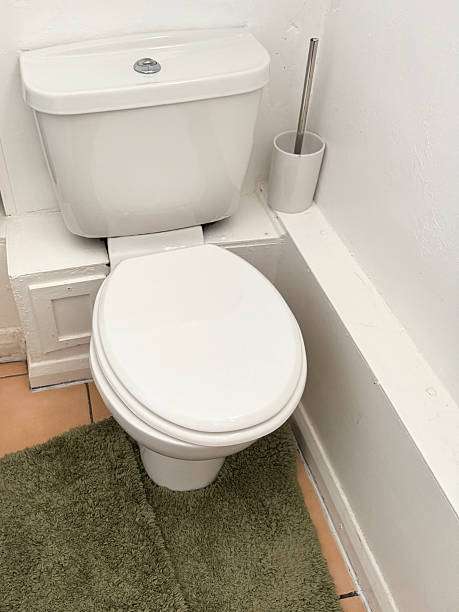
II. The Advantages and Potential Risks of Thick bath mat : The Real Difference Behind Soft Comfort and Structural Collapse
The most significant selling point of thick bath mat is their soft feel underfoot, which comes from the high-density foam layer, high-density cushioning layer, or multi-layered composite structure within the material. When you step on it, the thick mat gives your feet a noticeable “sinking” and enveloping feeling, which is very friendly to people who have just showered, are tired, or need foot support. The multi-layered structure of the thick mat effectively distributes pressure on the soles of the feet, allowing every area to receive even support, which significantly improves comfort when standing for long periods of time blow-drying hair, applying makeup, or doing skincare.
Thick bath mat have a natural advantage in insulating cold floors, effectively preventing feet from touching cold tiles in winter and creating a warmer, softer overall experience. Furthermore, thick bath mat tend to have a more voluminous and full appearance, making the bathroom look more cozy and comfortable, especially in Scandinavian, Japanese, or minimalist styles, where thick mats often serve as a visual softening element of the space.
However, the disadvantages of thicker mats are equally apparent, and many of these drawbacks only become noticeable after weeks or months of use. Greater thickness means the material is more prone to compression fatigue after repeated use, especially materials with uneven internal structures. Initially, they may feel very soft, but with increased use, they can develop localized collapses, irreversible dents, and slower rebound. Once collapse occurs, a noticeable support gap appears underfoot, making it easier to lose balance compared to thinner mats.
thick bath mat is their absorbency. If the material itself is not a closed-cell structure but an open-cell foam, the thick mat will be difficult to dry completely after absorbing moisture. Internal moisture will remain trapped for a long time, leading to material softening, structural fatigue, volume deformation, and even mold growth. Accumulated moisture not only makes the mat heavier but also causes a slippery feeling underfoot, as the surface is slippery and the internal support is softened, reducing stability. This problem is particularly common in humid southern households, where thick bath mat are almost always semi-damp, increasing the risk of slipping.
Furthermore, thicker bath mat don’t necessarily offer better slip resistance than thinner ones. Because thicker mats are softer, they deform more when stepped on, causing a brief shift between the mat surface and the ground. Thinner mats, being closer to the ground, are more stable. If a thick mat doesn’t use a high-quality slip-resistant backing material, or if the adhesive has aged due to water absorption, it may even slip on wet surfaces, posing a significant hazard to the elderly, children, or pregnant women.
Thicker mattresses are also more complicated to clean and maintain. They dry slowly, sometimes taking a whole day or even two days to dry completely after washing; incomplete drying can accelerate mold growth, and the surface fabric may develop an odor due to consistently high humidity after long-term use. Over time, the hygiene and safety of thicker mattresses will gradually decline.
Therefore, while thicker mats offer a significant advantage in terms of comfort and visual warmth, users must be aware of potential issues such as structural fatigue, moisture retention, and reduced slip resistance over long-term use. Thicker mats require higher-quality materials and a more scientifically designed structure to maintain a balance between softness and safety.
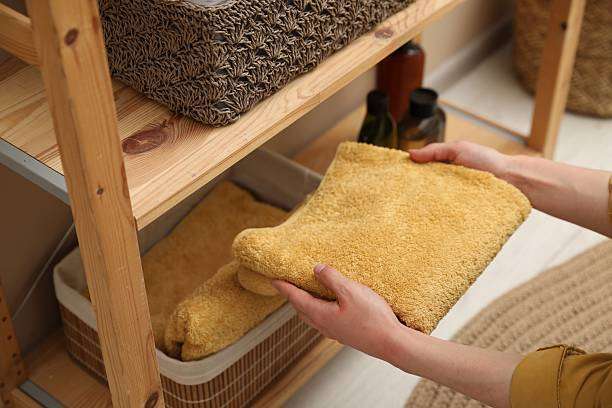
III. The Stability Advantages and Comfort Limitations of Thin bath mat : The Safety Logic and Experience Differences Hidden Behind Their Lightweight and Ground-Like Feel
Thin bath mat often appear light and clean, giving a simple and neat impression. Unlike the fluffy feel of thick mats, thin mats prioritize ground contact, and the direct advantage of this design is stability. There is almost no deformation space between the thin mat and the ground, so it is highly stable when stepped on, without significant collapse or displacement. This is especially crucial when you need to stand up quickly or when your feet are slippery.
thin mats comes from their simple structure and single-layer or thin-layer foam design. When a user steps on a thin mat, the distance between their foot and the ground is shorter, meaning the foot can find its center of gravity more naturally, avoiding the risk of slipping or sinking in as with thick mats. For the elderly or those with weaker foot muscles, this direct and stable support provided by thin mats is actually safer.
thin bathroom mats is their quick drying time. Due to their thinness, they evaporate or drain water rapidly after getting wet, preventing them from remaining damp for extended periods. This helps reduce mold growth and odors, making them especially suitable for bathroom environments with high humidity and poor ventilation. The lightweight nature of thin mats also makes them easier to wash and air out regularly, without adding unnecessary maintenance burden due to excessive weight.
Furthermore, thin mats generally have a more effective anti-slip structure. Many thin mats feature high-grip bottom textures or a pure rubber anti-slip base that adheres closely to tile surfaces, making them less prone to slipping even in wet or slippery environments. Their minimal deformation allows for more stable friction between the sole of the foot and the mat surface, often making them safer and more reliable than thicker mats.
However, thin bath mat are not a perfect choice either. They are generally less comfortable than thicker mats, and are more likely to cause fatigue, especially for people with sensitive feet or high arches. Thin mats lack a noticeable cushioning layer, so when stepping or standing for extended periods, the soles of the feet will feel concentrated pressure between the thin mat and the hard ground, especially in the heel and forefoot areas.
Thin bath mat often result in cold feet in winter because they don’t provide enough insulation, allowing the soles of the feet to clearly feel the low temperature of the tiles. This is not a comfortable experience for people with weaker constitutions or those who are sensitive to temperature.
While thin pads don’t necessarily have a shorter lifespan than thick ones, thinner pads are more prone to wear, curling, or edge warping due to their low-density materials. If the bottom anti-slip structure isn’t robust enough, it can also age and slip over time.
Therefore, thin bath mat offer significant advantages in safety, slip resistance, dryness, and ease of maintenance, but they have limitations in terms of foot comfort, warmth retention, and comfort during extended periods of standing. Users should consider whether a thin mat meets their individual needs when choosing one, especially in homes where prolonged standing may require higher-quality materials.
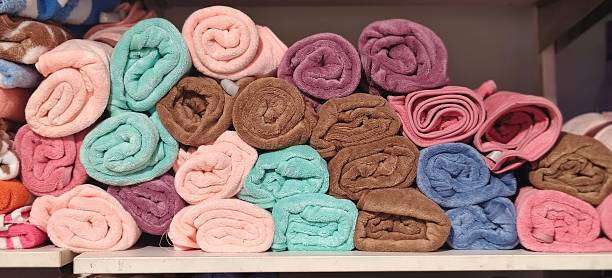
Ultimate Safety Comparison Between Thick and Thin bath mat : Key Differences in Pedal Stability, Anti-slip Structure, and Wet Performance
of a bath mat is not aesthetics, but safety. The real deciding factor in the debate over thickness lies in the differences in safety performance brought about by different thicknesses, including foot stability, anti-slip properties, and controllability when used wet. Many bathroom accidents stem from a momentary loss of balance when the feet are wet, and consumers often overlook the difference between thick and thin mats in this respect.
thick bath mat comes from deformation. The thicker the mat, the easier it is for the material to deform underfoot. If the material is not dense enough, it will feel unstable and soft when stepped on. This collapse is especially prone to causing slippage when feet are wet, creating a dangerous situation. If the anti-slip layer on the back of a thick mat has absorbed water, is aged, or is of poor quality, the entire bath mat may even slide off the ground.
Thick mats also pose safety issues regarding moisture retention. The thicker the mat, the less likely it is to dry completely. A constantly damp backing loses its grip, and the slippery surface reduces foot traction. This double slippery environment is one of the most common causes of falls in the bathroom. Prolonged dampness can also lead to fatigue of the internal materials, further increasing the risk of collapse.
Thinner bath mat generally offer better stability than thicker ones due to less deformation and better ground contact. When your feet land on a thin mat, you quickly establish your center of gravity, avoiding the sinking sensation often associated with thicker mats. The anti-slip structure of thin mats is typically more effective due to their larger contact area, allowing them to adhere firmly to wet surfaces. This significantly reduces the likelihood of slippage, giving thin mats a natural advantage in safety.
However, thin mats may also lack the necessary cushioning due to their thin material, causing feet to slip quickly when wet. This is especially true for thin mats made of smooth or insufficiently dense material; the reduced friction when wet increases the risk of slipping. Furthermore, as thin mats age, curled edges can become a tripping hazard, particularly common in lower-quality thin mats.
Overall, the difference in safety between thick and thin mattress pads isn’t simply a matter of which is safer, but rather highly dependent on material density, the quality of the anti-slip layer, absorbency management, and the environment in which they are used. For bathrooms with high humidity or poor ventilation, thinner mattress pads are often more stable; while for people who need warmth or stand for long periods, thicker mattress pads, with upgraded components, can achieve a balance between safety and comfort.
V. Conclusion
thick and thin bath mat goes far beyond just visual differences. They differ significantly in terms of feel, stability, slip resistance, absorbency, ease of cleaning, and long-term material performance. Thick mats offer a soft, warm feel, making users feel enveloped, but may also suffer from issues like sagging, water retention, and slippage. Thinner bath mat provide a stable feel and stronger slip resistance, and are also drier and easier to clean, but may cause discomfort to the feet during prolonged standing or in winter.